
Portland, OR
Brentwood-Darlington
Outer SE's most honest value: real lots, real space, real trade-offs
Overview
SE 52nd Avenue runs north-south through the middle of Brentwood-Darlington and is the neighborhood's main organizing street. At the north end it connects to Foster Road; at the south end it runs toward Woodstock and eventually Milwaukie. The commercial options on 52nd are modest: a few convenience stores, a laundromat, some auto services, a handful of restaurants. You drive to Foster or Powell for anything beyond basics. The neighborhood is quiet in the genuine sense — not the real estate brochure sense. Streets in here on a Tuesday afternoon are essentially empty.
The housing is 1950s and 1960s ranches and split-levels on lots that run 6,000 to 8,000 square feet, sometimes larger. These are real lots — room for a garden, room for a dog, room to put up a fence. The construction is functional rather than architectural: aluminum siding, attached garages, original windows that haven't been updated since the Carter administration on some houses. Buyers who know how to evaluate a house and don't mind a project can find genuine value here. The square footage per dollar is among the best in Portland proper.
The schools in this attendance area rate below the Portland average at every level — that's not an opinion, it's the data. Barbur Blvd is the western edge of the neighborhood and is a freeway-speed arterial with noise and no pedestrian environment. The neighborhood is not walkable — you need a car. There is no MAX or frequent-service bus. For buyers who need square footage and lot size and have exhausted everything under $450k in inner SE, Brentwood-Darlington deserves an honest look. It doesn't deserve a pitch about its potential — it deserves a buyer who understands what it is.
Getting Around
30–40 min by car (highly variable with Barbur/I-5 or SE Powell); 45–55 min by bus; limited MAX access
Local Life
Restaurants
Coffee
Bars & Nightlife
Schools
Portland Public Schools
Parks & Green Space
Brentwood Park
Tideman Johnson Natural Area
Gilbert Park
The Market
Prices shown are estimates based on recent sales. Contact David & Bri for current market data.
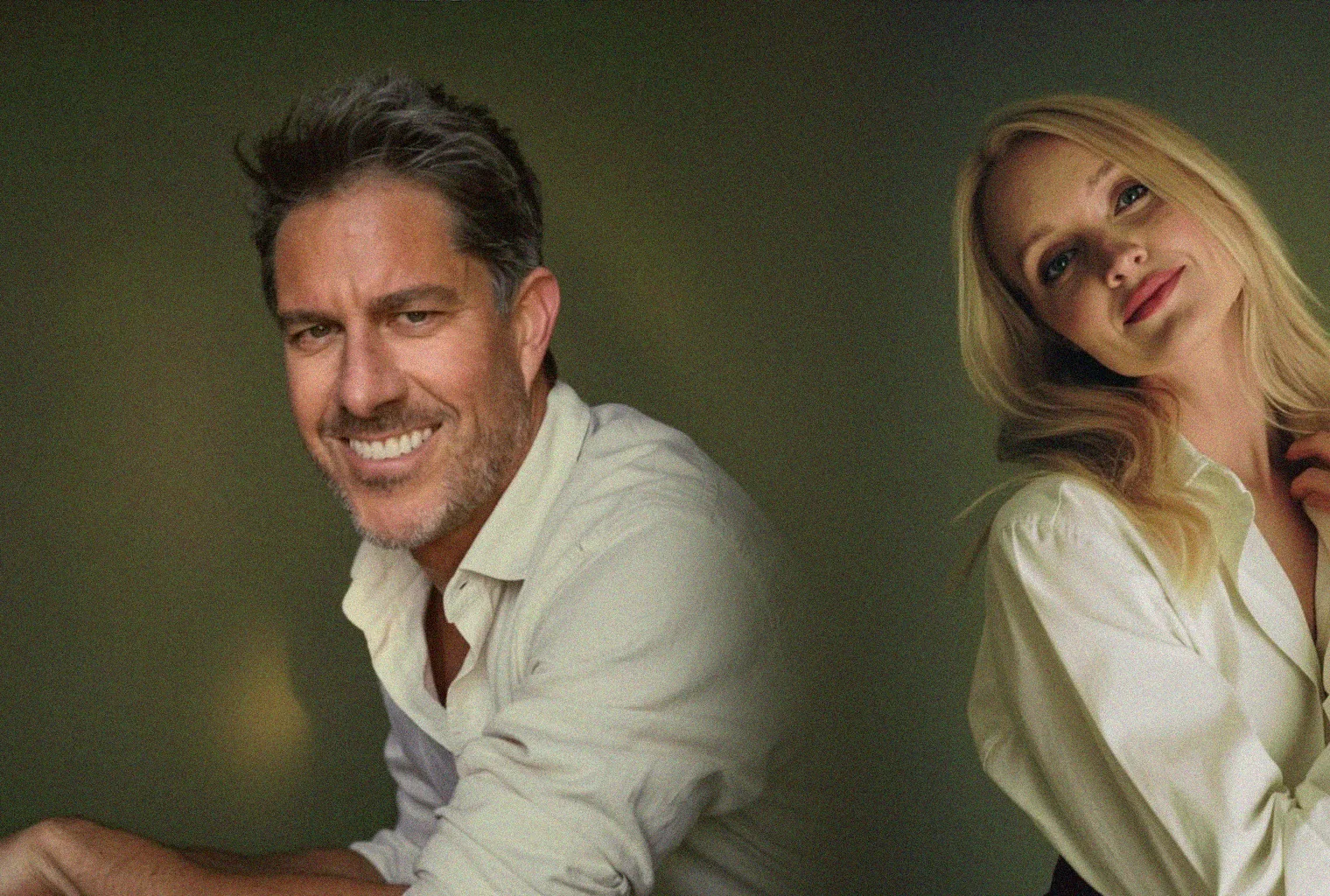
Your team
We actually know Brentwood-Darlington — and we’ll tell you the truth about buying here.
David & Bri, Movement Mortgage. Portland born, Portland based — the local read no rate sheet gives you.
Buying in Brentwood-Darlington?
Get expert guidance from a Portland team that knows this market — David & Bri, Movement Mortgage. NMLS #1367416 / #265974.
What Clients Say
“We had two kids and needed a yard and three bedrooms. Everything with a real yard in SE Portland was $550k+. Bri showed us a 1961 ranch in Brentwood-Darlington for $365,000. It needed a kitchen update. We could actually afford to do that. We bought it.”
“Bri was the only lender who gave me a straight answer on what I could afford. She didn't try to push me toward inner SE at a price that would have stressed me out. Closed at $342,000, manageable payment.”
FAQ
4 questions
What's the honest case for buying in Brentwood-Darlington?
+
Price and lot size. You get a freestanding house with a real yard in Portland proper for under $400,000 in most cases. That entry point doesn't exist in inner SE anymore. If you work remotely or commute at off-hours, the commute is manageable. If you need schools in the top half of PPS, you'll be looking at option schools. If you need walkability or transit, this neighborhood doesn't offer it.
Is Brentwood-Darlington safe?
+
Property crime rates in outer SE Portland run higher than the Portland average. Brentwood-Darlington is not an outlier within outer SE — it's similar to Lents or parts of Foster-Powell. It's not a neighborhood where most residents feel unsafe in their day-to-day life. The honest answer is: look at the current crime data for specific blocks, not neighborhood-level statistics.
What does a home in Brentwood-Darlington cost?
+
Median around $380,000. Smaller 1950s ranches and split-levels start in the high $290s–$320s with work needed. A solid, updated 3-bedroom ranch on a 7,000 sq ft lot runs $380k–$450k. The price per square foot is among the lowest in Portland inside the city limits.
Are there plans for development in Brentwood-Darlington?
+
The Foster corridor to the north has seen consistent investment over the past decade. SE 52nd has some rezoning and infill on a slow timeline. There is no announced major development project for the interior of Brentwood-Darlington itself. Buyers who bought here 10 years ago have seen appreciation — that's the realistic case for long-term holds, not a short-term flip thesis.